
Has Been or Have Been or Had Been
Many English learners know that all three use the verb been, but they are not used in the same way.
The main difference is usually about the subject and the time of an action or situation. We use has been with singular subjects such as he, she, and it.
We use have been with I, you, we, and they. Then we use had been when we are talking about something that happened before another event in the past.
For example:
- She has been busy all day.
- They have been busy all day.
- She had been busy before the guests arrived.
Notice how the meaning changes when the helping verb changes. The first two sentences connect the situation to the present.
The third sentence looks back at an earlier time in the past.
These forms appear everywhere in everyday English. You will hear them at school, at work, at home, and in casual conversations.
Once you understand who the subject is and when the action happened, choosing the correct form becomes much easier.
What Does “Has Been” Mean?
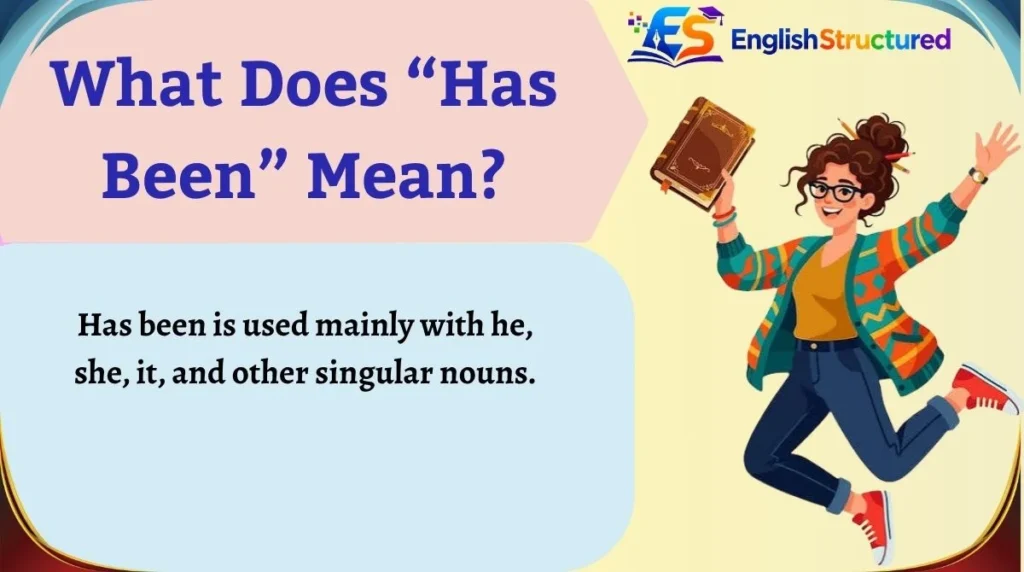
Has been is used mainly with he, she, it, and other singular nouns. It is commonly used to talk about an action, situation, or condition that started in the past and has a connection with the present.
It can also describe something that happened at an unspecified time before now.
The basic structure is:
Has Been or Have Been or Had Been
For example:
- She has been sick.
- He has been very helpful.
- The dog has been outside.
- Has Been or Have Been or Had Been
Here, has is the helping verb, while been is the past participle of be.
When Do We Use “Has Been”?
We often use has been in the present perfect and present perfect continuous forms.
With an adjective, noun, or place, it can describe a state or condition:
Has Been or Have Been or Had Been
With a present participle ending in -ing, it can describe an activity that has continued for some time:
He has been working since 8 a.m.
The important point is that the subject is singular.
Examples of “Has Been”
- She has been very quiet today.
- He has been a good friend to me.
- My father has been busy this week.
- The weather has been pleasant lately.
- Sarah has been studying for two hours.
- Has Been or Have Been or Had Been
- The car has been in the garage all day.
- It has been raining since early morning.
In each sentence, the subject works with has.
A Common Confusion
Students sometimes say:
She have been sick.
That is incorrect.
The correct sentence is:
Has Been or Have Been or Had Been
Why? Because she is a singular third-person subject.
The same rule applies to singular nouns:
The teacher has been busy.
My sister has been studying.
Has Been or Have Been or Had Been
A useful habit is to check the subject before choosing has.
What Does “Have Been” Mean?
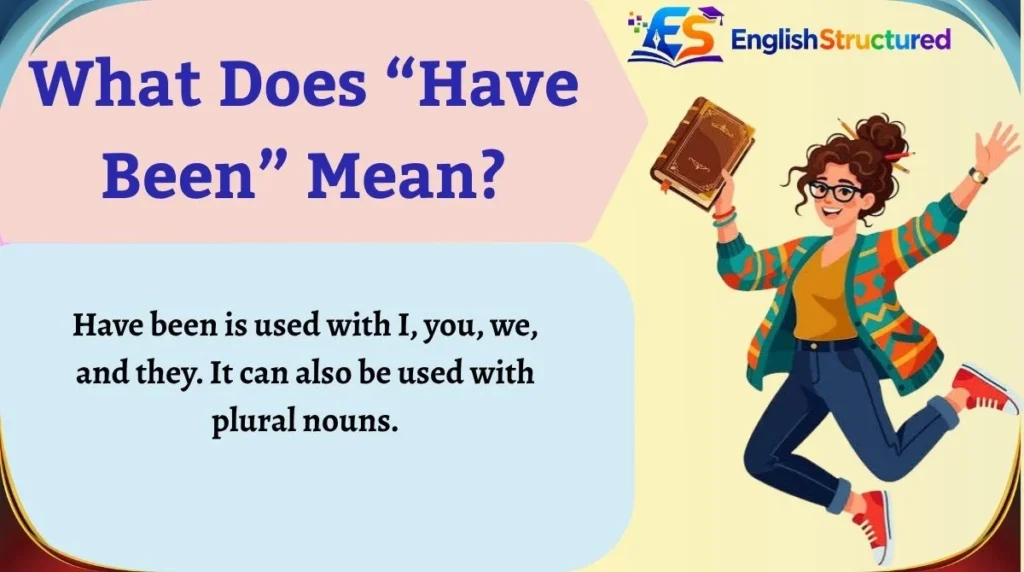
Have been is used with I, you, we, and they. It can also be used with plural nouns.
Like has been, it often connects a past situation or activity with the present.
The basic structure is:
I/You/We/They + have been + …
Examples:
- Has Been or Have Been or Had Been
- You have been helpful.
- We have been friends for years.
- They have been waiting.
With plural nouns, use have:
The students have been studying.
My parents have been traveling.
When Do We Use “Have Been”?
Has Been or Have Been or Had Been
- I
- You
- We
- They
- Plural nouns
It can describe a condition:
We have been very happy.
It can describe a location:
They have been at home all day.
It can describe an activity that has continued:
Has Been or Have Been or Had Been
The exact meaning depends on what comes after been.
Examples of “Have Been”
- I have been very busy today.
- You have been a great help.
- We have been friends since childhood.
- They have been in Lahore for a week.
- I have been studying English.
- You have been working too hard.
- We have been waiting for an hour.
- The children have been playing outside.
Notice that have stays the same with I, you, we, and they.
“Have Been” in Everyday English
You may hear this form in questions and short conversations:
Has Been or Have Been or Had Been
Have they been waiting long?
Where have you been?
Has Been or Have Been or Had Been
The last question is especially common. How have you been? usually means, “How are you doing these days?”
A natural answer could be:
I’ve been good, thanks.
Here, I’ve is the short form of I have.
What Does “Had Been” Mean?
Had been is different from has been and have been because it normally refers to a time in the past.
We use had been when we want to show that one past situation happened before another past event.
The basic structure is:
Subject + had been + …
The word had works with all subjects:
- Has Been or Have Been or Had Been
- You had been
- He had been
- She had been
- It had been
- We had been
- They had been
This is important because you do not change had according to the subject.
When Do We Use “Had Been”?
Has Been or Have Been or Had Been
For example:
She had been tired before she went to bed.
Her tiredness happened before another past event: she went to bed.
With an -ing verb:
She had been studying for three hours before she took a break.
The studying happened first. The break happened later.
Examples of “Had Been”
- I had been tired before I went home.
- She had been sick for several days before she saw a doctor.
- He had been a teacher before he became a writer.
- We had been friends for years before we moved away.
- They had been waiting for an hour before the bus arrived.
- Has Been or Have Been or Had Been
- The shop had been closed before we arrived.
- He had been working all morning before lunch.
The important idea is past before past.
A Simple Timeline
Think about this:
Earlier past → Later past → Now
If something happened in the earlier past, had been can show that relationship.
For example:
Has Been or Have Been or Had Been
First, they waited.
Then, the bus arrived.
Both events are in the past, but had been waiting shows the earlier activity.
Difference Between Has Been, Have Been, and Had Been
The easiest way to understand these three forms is to look at subject + time together.
| Form | Main subjects | Main time idea | Example |
|---|---|---|---|
| Has been | He, she, it, singular noun | Past connected to present | She has been busy. |
| Have been | I, you, we, they, plural noun | Past connected to present | They have been busy. |
| Had been | All subjects | Earlier past before another past event | They had been busy before I arrived. |
1. Has Been = Singular + Present Connection
Use has been with a singular third-person subject.
He has been sick since Monday.
He is still sick or the situation is relevant now.
Has Been or Have Been or Had Been
The problem started earlier and still matters now.
2. Have Been = I/You/We/They + Present Connection
Use have been with I, you, we, and they.
We have been friends for ten years.
The friendship started in the past and continues now.
They have been working since morning.
The activity began earlier and has a connection with the present.
3. Had Been = Earlier Past
Use had been when you are looking back from one past event to something that happened earlier.
Has Been or Have Been or Had Been
The working happened first.
The stopping happened later.
Compare These Three Sentences
Consider these examples:
He has been working all day.
This connects his work with now.
They have been working all day.
The subject changes, so has changes to have.
He had been working all day before he went home.
Now we have two past points. The working happened before he went home.
That small change in the helping verb can change the time relationship.
Grammar Rules You Must Remember
Rule #1: Use “Has” With Singular Third-Person Subjects
Use has been with:
- he
- she
- it
- one person
- one thing
- singular nouns
Examples:
Maria has been studying.
Has Been or Have Been or Had Been
My phone has been charging.
Do not say:
Maria have been studying.
Say:
Maria has been studying.
Rule #2: Use “Have” With I, You, We, and They
Has Been or Have Been or Had Been
- I
- you
- we
- they
- plural nouns
Examples:
I have been busy.
You have been helpful.
We have been waiting.
They have been talking.
Remember that you always takes have, even when you are talking to only one person.
You have been very kind.
Not:
You has been very kind.
Rule #3: Use “Had Been” for an Earlier Past Situation
Use had been when one situation happened before another past event.
Example:
Has Been or Have Been or Had Been
First, he was sleeping.
Then, the phone rang.
Another example:
We had been waiting for an hour before the train arrived.
The waiting happened first.
The train’s arrival happened afterward.
Rule #4: “Had” Works With Every Subject
Unlike has and have, the word had does not change with the subject.
You can say:
I had been tired.
Has Been or Have Been or Had Been
They had been tired.
The children had been tired.
This makes had been easier to form, but you still need to understand the past-time relationship.
Common Mistakes Students Make
Mistake 1: Using “Have” After “He” or “She”
Incorrect:
She have been studying.
Correct:
Has Been or Have Been or Had Been
The problem is subject-verb agreement. She needs has.
Mistake 2: Using “Has” After “They”
Incorrect:
They has been waiting.
Correct:
They have been waiting.
They always takes have in this structure.
Mistake 3: Using “Had Been” Without a Clear Past Relationship
Students sometimes use had been simply because something happened in the past.
For example:
Has Been or Have Been or Had Been
This can sound unnatural if there is no other past event or past reference that explains why past perfect is needed.
Often, the simple past is enough:
I was tired yesterday.
But:
I had been tired before I went to bed.
Now the earlier-past relationship is clear.
Mistake 4: Confusing “Has Been” With “Was”
Compare:
She was sick yesterday.
This simply tells us about her condition at a past time.
Has Been or Have Been or Had Been
This connects the past situation with the present.
The word since often helps learners notice this connection.
Mistake 5: Confusing “Have Been” With “Had Been”
Compare:
They have been waiting for an hour.
This connects the waiting with now.
They had been waiting for an hour before the bus arrived.
This puts the waiting before another past event.
Ask yourself: Am I talking about now, or am I looking back from the past?
That question often gives you the answer.
Easy Trick to Remember the Difference
Here is a simple three-step trick.
Step 1: Check the Subject
If the subject is he, she, it, or one person/thing, think:
HAS
Has Been or Have Been or Had Been
If the subject is I, you, we, they, or a plural noun, think:
HAVE
They have been busy.
Step 2: Check the Time
If the situation connects with now, think:
HAS/HAVE BEEN
If you are talking about something that happened before another past event, think:
HAD BEEN
Step 3: Remember “Past Before Past”
The easiest memory line is:
Has Been or Have Been or Had Been
For example:
She had been crying before her mother arrived.
Crying came first.
Her mother’s arrival came second.
For has been and have been, think:
Past + connection to now.
He has been sick since Monday.
We have been busy all week.
This simple timeline can prevent many mistakes.
Daily Life Examples
The following examples show how these forms sound in normal conversation.
1. Talking About Someone’s Day
“Why isn’t Ahmed answering?”
“He has been working all morning.”
The work started earlier and is relevant now.
2. Talking About a Group
“Where are the children?”
“They have been playing outside.”
The subject is plural, so have is correct.
3. Asking About Someone’s Health
Has Been or Have Been or Had Been
“I’ve been good, thanks.”
This is a very common everyday question.
4. Talking About a Long Activity
“Why are you so tired?”
“I have been studying since early morning.”
The studying began earlier and is connected to the present tiredness.
5. Looking Back at a Past Event
“Why was Ali so tired yesterday?”
“He had been working all night before the meeting.”
The work happened before the meeting.
6. Talking About Weather
“The roads are wet.”
“It has been raining since noon.”
The rain started earlier and affects the present situation.
7. Talking About Waiting
“Why did you leave?”
“We had been waiting for an hour before we decided to go.”
The waiting happened before the decision.
8. Talking About Friends
“How long have you been friends?”
Has Been or Have Been or Had Been
The friendship began in the past and continues now.
9. Talking About a Past Job
“Why did she know so much about teaching?”
Has Been or Have Been or Had Been
Her teaching career came before her management job.
10. Talking About a Problem
“Why isn’t the computer working?”
“It has been slow all day.”
The problem started earlier and is still relevant.
Practice Section
Has Been or Have Been or Had Been
1. She ______ very busy this week.
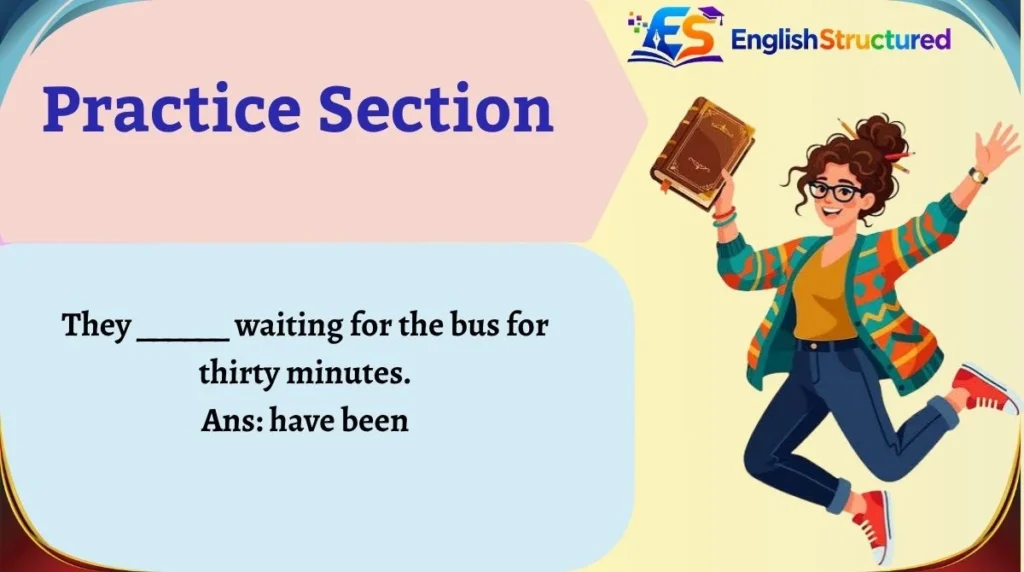
2. They ______ waiting for the bus for thirty minutes.
3. He ______ studying before his friend called.
4. We ______ friends for many years.
5. The dog ______ sleeping before the door opened.
Answers
1. has been
She has been very busy this week.
The subject she is singular.
2. have been
They have been waiting for the bus for thirty minutes.
The subject they takes have.
3. had been
He had been studying before his friend called.
The studying happened before another past event.
4. have been
We have been friends for many years.
The subject we takes have, and the friendship continues to the present.
5. had been
The dog had been sleeping before the door opened.
The sleeping happened before the door opened.
FAQs
What is the difference between “has been” and “have been”?
The main difference is the subject. Use has been with he, she, it, and singular nouns. Use have been with I, you, we, they, and plural nouns.
Both can describe a past situation that has a connection with the present.
What is the difference between “have been” and “had been”?
Have been usually connects a past situation with the present. Had been places a situation before another event in the past.
For example, “They have been waiting” connects the waiting with now. “They had been waiting before the bus arrived” describes an earlier past activity.
Can we use “has been” in questions?
Yes. Has been is common in questions with he, she, it, and singular nouns.
For example:
Has Been or Have Been or Had Been
Has he been working today?
The helping verb has comes before the subject in a question.
Can we use “have been” in questions?
Yes. Use have been with I, you, we, and they.
Examples include:
Have you been studying?
Has Been or Have Been or Had Been
Have we been too loud?
These are normal forms in everyday English.
Is “had been” used only with “he” and “she”?
No. Had been can be used with every subject.
You can say:
Has Been or Have Been or Had Been
You had been…
He had been…
She had been…
We had been…
They had been…
The form had does not change according to the subject.
Which is correct: “She has been” or “She have been”?
She has been is correct.
The pronoun she is a singular third-person subject, so it takes has.
For example:
Has Been or Have Been or Had Been
With they, however, use have:
They have been working all day.
Can “had been” describe a continuing action?
Yes. Had been + verb-ing can show an action that continued for a period before another past event.
For example:
They had been waiting for an hour before the train arrived.
The waiting continued for an hour and happened before the train arrived.
How can I quickly choose the correct form?
First, check the subject. He/she/it = has, while I/you/we/they = have.
Then check the time. If you are looking back at something that happened before another past event, use had been.
Conclusion
Has Been or Have Been or Had Been
Use has been with he, she, it, and singular nouns. Use have been with I, you, we, they, and plural nouns. Both commonly connect a past situation or activity with the present.
Use had been when you need to show that something happened before another event in the past. Remember the simple idea: had been means past before past.
Do not worry if these forms feel confusing at first. They become natural with practice. When you see one of them, stop for a second and ask,
“Who is the subject?” Then ask, “Am I talking about now, or am I looking back at an earlier past?”
That small habit can make your English much more accurate. Try using these forms in short sentences about your own day, your past experiences, and things that happened before other events.
With regular practice, choosing the right form will soon feel automatic.